Digital Services » Digital Learning & Library Services » Support for Staff » Copyright Hub » Copyright for Students
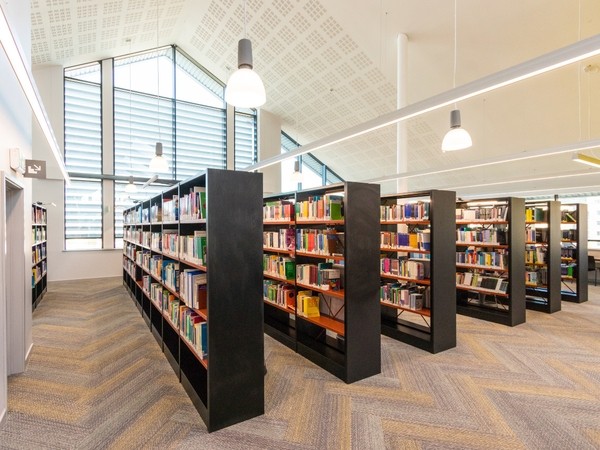
The library provides access to books, journals, and other types of research materials which you can access via the library catalogue and databases, or via your Online Resource Lists.
The library pays for licences that enable you to download or print a limited amount of material. They are not publicly available, and you are not permitted to share these with people outside the university.
Copyright law applies to research in various ways, depending on factors such as originality, creatorship, licensing, and applicable exceptions or agreements.
There is provision in copyright law for libraries to make accessible copies for students with a disability. This can include Braille or audio copies for visually impaired students, or accessible books or articles for dyslexic students. Contact Accessibility Support? for more information on this.
In the course of your studies, you will often need to copy or download copyrighted material such as journal articles, books, images, and data. Understanding copyright can ensure you are compliant with copyright law and ethical in your treatment of the use of third-party materials.
There are copyright exceptions which allow the use of third-party material without seeking permission from the copyright holder. The ones most relevant for student use are for:
You can find out more about Copyright Exceptions in the copyrightuser.org website.
When you use third-party material, it is vital you only use what is reasonable and fair. Fair dealing guidelines are also outlined in our Introduction to Copyright section.
You should also be clear about what work is your own and what is third-party by referencing correctly.
Using copyrighted material for purely decorative purposes is not permitted. It has to be relevant to your studies. If you are using images which are just for decoration make sure you use images that are in the public domain or which have Creative Commons licenses. See our Further Resources section for sources of these.
The university owns the copyright of the teaching material provided to you by your lecturers. You are not permitted to share these with people outside the university. This also applies to library resources, unless it has been published as Open Access or has a Creative Commons license. Sharing copyrighted material would be regarded as copyright infringement. If you share something online it is always safer to share a link to the original source.
The copyright of work created by students at university will usually be assigned to the student. It is protected automatically as soon as it is “fixed” in some way, such as written down, drawn on paper or recorded electronically.
You can consider licencing your work under Creative Commons licenses which gives you control of how others can use your work. More information on this in the Creative Commons section.
If you are sharing your work online consider adding copyright notices and a takedown policy in cases of any copyright infringement.
Here are some organisations that can help you protect your copyright and intellectual property: